
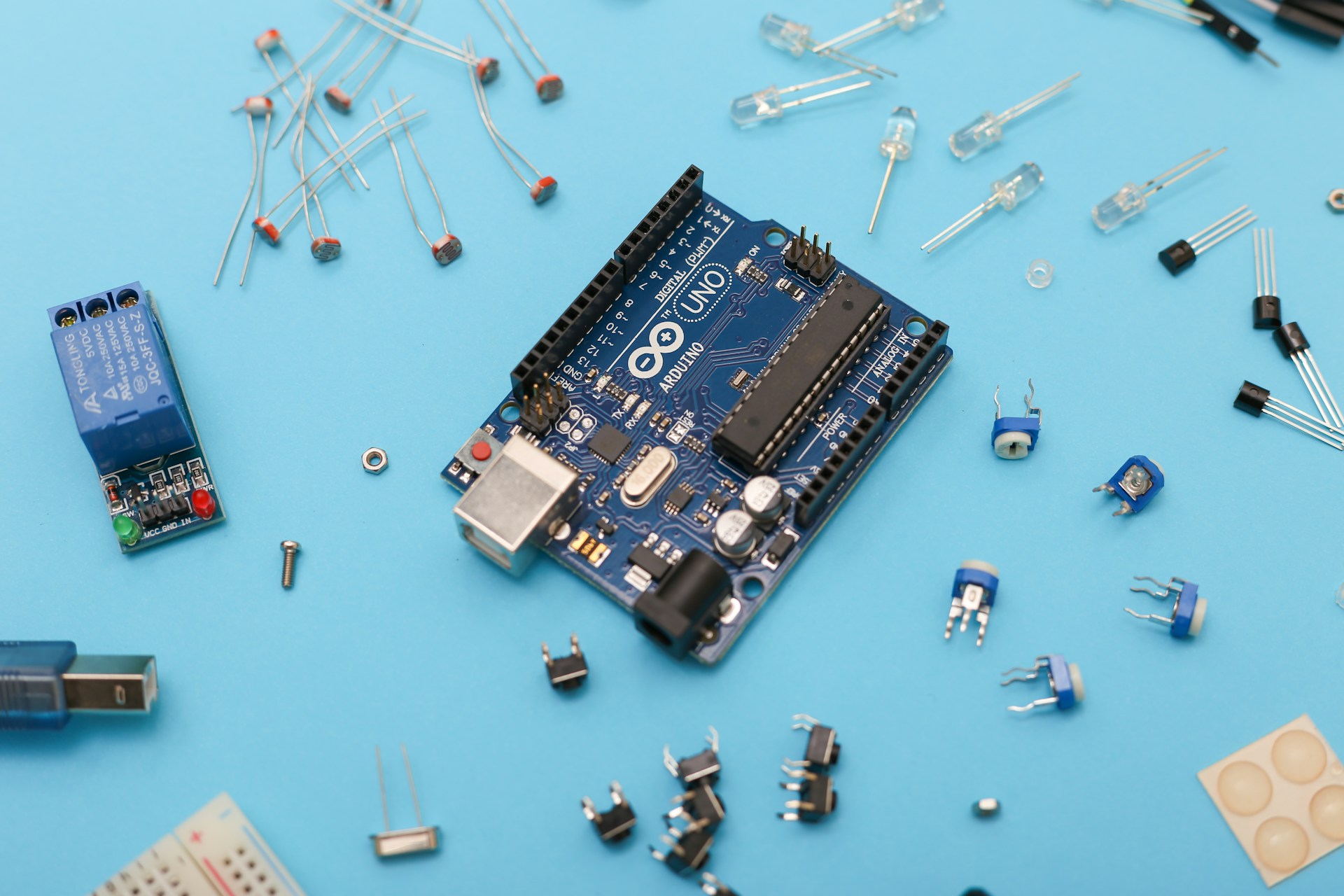
Embedded systems are everywhere—from smartphones to automobiles—and learning them has become essential for engineering students in 2026. This embedded systems roadmap for beginners will guide you step by step on how to start learning embedded systems from scratch in a simple and practical way.
This beginner-friendly guide will help you understand how to start learning embedded systems step by step, without confusion or information overload.
What is an Embedded System?
An embedded system is a combination of hardware and software designed to perform a specific task. Unlike general-purpose computers, embedded systems are optimized for efficiency, reliability, and real-time performance.
Examples include:
- Washing machines
- Smart TVs
- Automotive control systems
- IoT devices
Why Learn Embedded Systems in 2026?
The demand for embedded engineers is growing rapidly due to advancements in:
- Internet of Things (IoT)
- Automation and robotics
- Smart devices and wearables
- Automotive electronics (EVs)
Learning embedded systems opens career opportunities in multiple industries including electronics, IT, manufacturing, and robotics.
Step-by-Step Embedded Systems Roadmap for Beginners
1. Build Strong Fundamentals in Electronics
Before diving into programming or development boards, you must understand basic electronics concepts.
Focus on:
- Voltage, current, resistance
- Ohm’s Law
- Basic components (resistors, capacitors, diodes, transistors)
- Circuit design basics
Tip: Practice with simple circuits using breadboards.
2. Learn Programming in C Language
C programming is the backbone of embedded systems. Most microcontrollers are programmed using C due to its efficiency and low-level control.
Key topics to cover:
- Variables and data types
- Loops and conditional statements
- Functions and pointers
- Bitwise operations
Focus on writing clean and optimized code.
3. Understand Microcontrollers
A microcontroller is the heart of an embedded system. Start by learning how it works.
Important concepts:
- CPU, memory, and I/O ports
- Registers and timers
- Interrupts
- ADC (Analog to Digital Conversion)
Popular beginner-friendly microcontrollers:
- Arduino (for easy start)
- AVR (for deeper understanding)
4. Hands-on Practice with Development Boards
Theory alone is not enough in embedded systems. Practical experience is crucial.
Start with:
- LED blinking projects
- Button interfacing
- Sensor-based projects
- Display modules (LCD/OLED)
Hands-on practice helps you understand real-world applications.
5. Learn Embedded C and Real-Time Concepts
Once you are comfortable with basics, move to embedded-specific programming.
Focus on:
- Embedded C concepts
- Memory optimization
- Timing and delays
- Real-Time Systems basics
6. Work with Communication Protocols
Embedded systems often communicate with other devices.
Learn these protocols:
- UART (Serial communication)
- SPI (Serial Peripheral Interface)
- I2C (Inter-Integrated Circuit)
These are widely used in real-world projects.
7. Explore Sensors and IoT Basics
Modern embedded systems are closely connected with IoT.
Learn how to:
- Interface sensors (temperature, motion, etc.)
- Send data to cloud platforms
- Build simple IoT projects
8. Build Real-Time Projects
To become job-ready, you must build practical projects.
Beginner project ideas:
- Smart home automation system
- Temperature monitoring system
- Line-following robot
- IoT-based data logger
Projects strengthen your portfolio and improve problem-solving skills.
9. Learn Advanced Platforms (Optional)
After mastering basics, you can move to advanced platforms like:
- Raspberry Pi
- ARM-based controllers
These are used in complex embedded and industrial applications.
Common Mistakes Beginners Should Avoid
- Skipping fundamentals of electronics
- Learning too many tools at once
- Avoiding practical projects
- Ignoring debugging skills
Consistency and hands-on practice are the keys to success.
Career Opportunities in Embedded Systems
After following this roadmap, you can explore roles like:
- Embedded Systems Engineer
- Firmware Developer
- IoT Developer
- Robotics Engineer
Industries hiring embedded engineers:
- Automotive
- Consumer electronics
- Healthcare devices
- Industrial automation
How to Start Learning Effectively
If you’re serious about building a career in embedded systems, follow these tips:
- Learn step-by-step (don’t rush)
- Practice daily with small projects
- Join hands-on training programs
- Work on real-world applications
Conclusion
Embedded systems is one of the most practical and high-demand fields in 2026. By following this structured roadmap, beginners can build a strong foundation and move toward advanced applications confidently.
Focus on fundamentals, practice consistently, and build real projects—that’s the proven path to success.
About Arytan Technologies OPC Pvt. Ltd.
Arytan Technologies OPC Pvt. Ltd. is a Jaipur-based company specializing in embedded systems, robotics, and real-world technical training. The company focuses on practical learning approaches to help students gain industry-ready skills. If you want practical training, check our embedded systems training program.
📞 Contact: +91-8290224002
📧 Email: info@arytan.com
🌐 Website: https://arytan.com/